
You press the gas pedal expecting a smooth, responsive acceleration—but instead, your car feels sluggish, delayed, or just not as powerful as it used to be. It’s a common issue, and one that many drivers overlook until it becomes too noticeable to ignore.
The surprising part is that this kind of performance drop isn’t always caused by a major mechanical failure. In fact, most of the time, it comes from small, gradual issues that build up over time. These problems don’t always trigger warning lights or obvious symptoms, which is why they often go unnoticed.
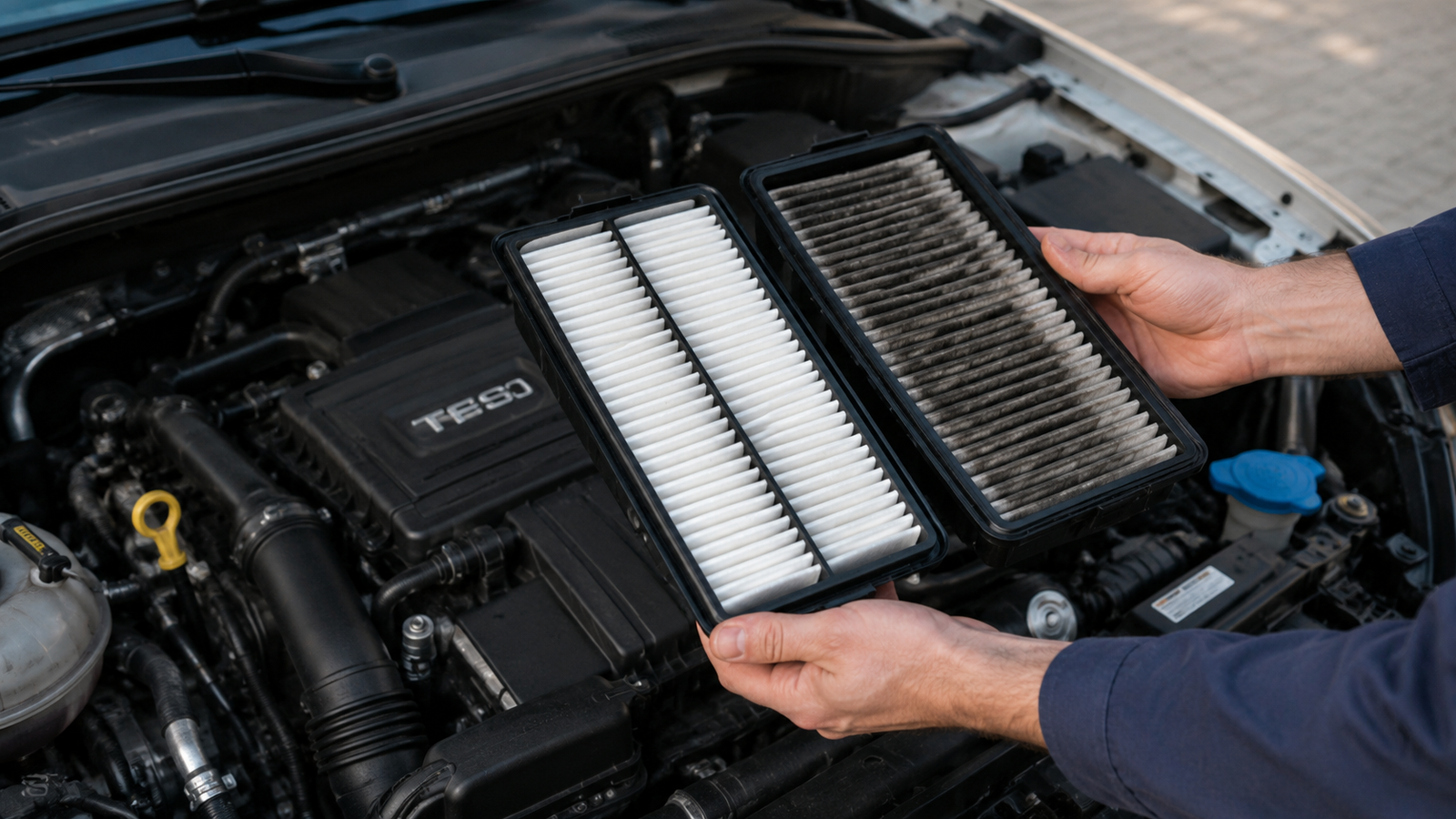
The good news is that many of these hidden performance killers are easy to identify and fix. Starting with simple maintenance like replacing a air filter can immediately improve how your engine breathes and responds.
Small Issues Quietly Killing Your Car’s Performance
When your car starts to feel slower, it’s usually not one big issue—it’s several small ones working together. Each of these problems slightly reduces efficiency, and over time, the difference becomes noticeable.
One of the most common culprits is restricted airflow. Your engine needs a steady flow of clean air to mix with fuel and create combustion. When the air filter becomes clogged with dirt and debris, airflow is reduced, forcing your engine to work harder and deliver less power. This often leads to slower acceleration and decreased fuel efficiency.
Another overlooked issue is carbon buildup inside the intake system. Over time, deposits can form around key components, restricting airflow and affecting how efficiently your engine operates. Using a throttle body cleaner can help remove these deposits and restore smoother airflow, improving overall performance.
Fuel delivery is another area where small problems can have a big impact. If your engine isn’t getting the proper fuel mixture, it won’t perform at its best. This can be caused by dirty fuel injectors, clogged filters, or issues within the fuel system itself.
In older vehicles, components like the carburetor play a major role in managing the air-fuel mixture. If the carburetor isn’t functioning properly, it can lead to poor acceleration, rough idling, and reduced power. Even minor adjustments or cleaning can make a noticeable difference.
Spark and ignition issues can also contribute to sluggish performance. Worn spark plugs or weak ignition coils can prevent the engine from firing efficiently, leading to incomplete combustion and reduced power output.
Another factor to consider is weight and drag. Extra weight in your vehicle or underinflated tires can make your engine work harder than necessary. While these may seem like minor details, they can still affect how your car feels on the road.
The key takeaway is that performance loss is often gradual. Because these issues develop over time, it’s easy to adjust to the slower response without realizing how much power you’ve lost.
What’s Really Holding Your Engine Back
Understanding what’s holding your engine back comes down to recognizing how these small issues affect the overall system. Your engine relies on a balance of air, fuel, and spark to operate efficiently. When any part of that balance is disrupted, performance suffers.
Airflow restrictions are one of the most common causes. A clogged air filter or dirty intake system limits the amount of oxygen available for combustion. Without enough air, your engine can’t generate the power it’s designed for.
Fuel system inefficiencies are another major factor. If fuel isn’t delivered properly or mixed correctly, combustion becomes less effective. This results in less energy being produced, which translates to slower acceleration and reduced performance.
Carbon buildup compounds these problems by narrowing passages and interfering with airflow. Over time, this buildup can significantly reduce engine efficiency, even if all other components are functioning properly.
Mechanical wear also plays a role. As parts age, they lose their ability to perform at peak levels. While this is a natural part of vehicle ownership, regular maintenance can slow down the process and keep your engine running more efficiently for longer.
Environmental factors can also contribute. Driving in dusty conditions, stop-and-go traffic, or extreme temperatures can accelerate wear and buildup, leading to faster performance decline.
The important thing to understand is that these issues are connected. Addressing just one problem can help, but tackling multiple small issues at once often leads to the biggest improvement. When airflow, fuel delivery, and ignition are all working properly, your engine can perform the way it was designed to.
Conclusion
If your car feels slower than it should, the cause is often hidden in small, everyday issues rather than major mechanical failures. From clogged air filters to carbon buildup and fuel system inefficiencies, these problems quietly reduce performance over time.
The good news is that many of these issues are easy to fix with basic maintenance. By paying attention to the details and addressing problems early, you can restore your vehicle’s responsiveness and improve its overall performance.
In the end, keeping your engine running at its best isn’t about one big repair—it’s about maintaining the balance of systems that work together every time you hit the gas.
