
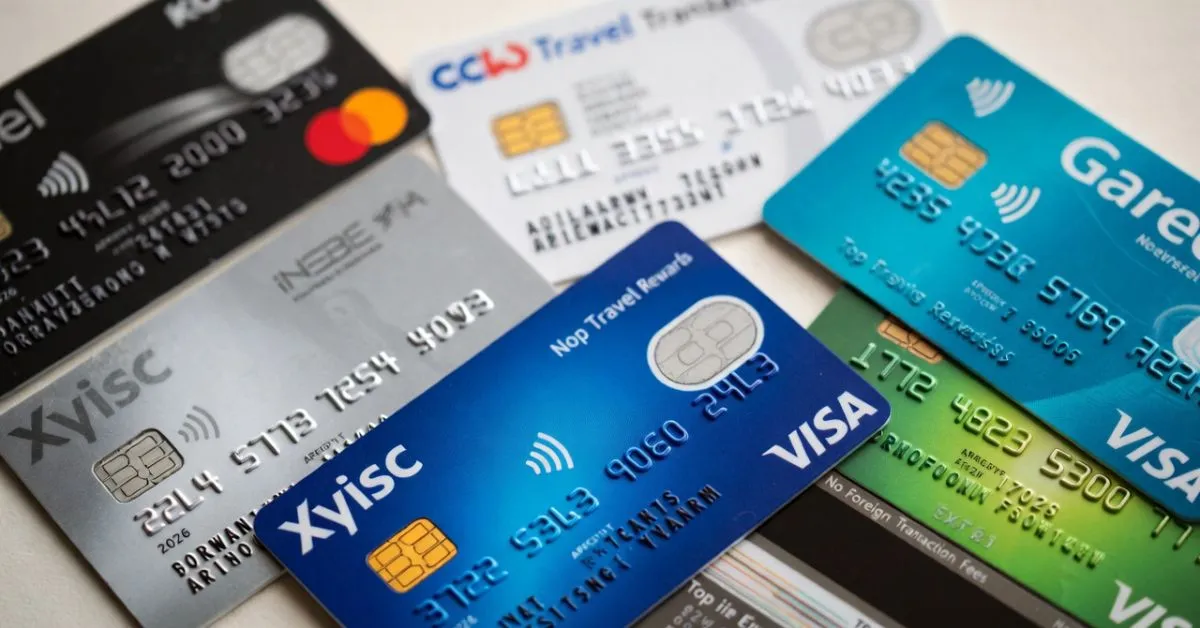
Planning a trip to Europe or living there? Let’s chat about European credit cards—what really works in 2026, top no-fee picks for travelers, everyday hassles to skip, why locals use them less, and the buzz around Wero.
Hey, since you’re over in Abbottabad but might be dreaming of Europe or planning a visit, let’s talk European credit cards like we’re grabbing chai and figuring this out together. Picture landing in Rome, excited for gelato, and your card just taps—no drama, no extra charges. But sometimes it’s not that easy. Fees creep in, shops say no, or you wonder why Europeans seem to swipe debit more than credit.
I’ve rewritten this whole thing to feel more like a real conversation. We’ll cover how European credit cards function these days (with fresh 2025-2026 stats), smart choices for your travels, the annoying bits, the resident side of things, Wero’s big push, and simple tricks that actually help. Stick around—by the end, you’ll feel way more confident.
Key Takeaways
- Visa and Mastercard are super common in Europe, and contactless tap-to-pay now covers 83% of in-person card payments in the euro area (straight from the European Central Bank’s first-half 2025 report—29.6 billion contactless transactions!).
- Travelers: Grab a no foreign transaction fee card like Chase Sapphire Preferred or Capital One Venture to dodge those 1-3% hits that eat into your budget.
- For folks in Europe, credit cards aren’t everyday heroes—debit, cash, or local systems win out because debt feels heavier culturally and rewards aren’t huge.
- Wero (from the European Payments Initiative) is gaining steam fast—millions of users already, expanding to more countries and uses like online shopping and stores in 2026.
- Quick win: Always pay in euros, have a backup card, enable tap-to-pay, and you’ll save time and cash.
How European Credit Cards Actually Work Right Now
Things have changed a lot with payments in Europe. The ECB says in the first half of 2025, non-cash transactions hit 77.7 billion total, and cards made up 57% of them—44 billion card payments worth €1.7 trillion. That’s a ton of swipes and taps.
Visa and Mastercard are the ones you’ll see most. Pretty much every shop, café, hotel, or train ticket machine takes them. Amex? Only in bigger or touristy places. Discover? Even less often. So if your card is one of those, pack a backup.
Contactless is everywhere now. Those quick taps? 29.6 billion in the first half of 2025, up 12.8% from last year. They made up 83% of non-remote (in-person) card payments by number and 67% by value. For a €5 coffee or €10 bus ticket, tap and go—super fast. Bigger amounts still often want the chip and PIN.
There are about 879 million payment cards floating around the euro area (as of mid-2025), averaging 2.5 per person. So yeah, cards are popular, but the way we use them is shifting quick.
Best Picks for a European Credit Card When Traveling
If you’re heading over from outside Europe, the number-one rule is no foreign transaction fees. Those 1-3% charges on every buy add up—€1000 in spending could cost you €10-30 extra.
Some reliable European credit card options for 2026 travelers:
- Chase Sapphire Preferred: No foreign fees, earns good points on travel and eating out, plus travel insurance perks. $95 annual fee, but many say it’s worth it.
- Capital One Venture Rewards: Flat miles on everything, easy to use for travel. No foreign fees, $95 fee.
- Capital One Venture X: Fancy version with airport lounge access and credits. Still no foreign fees.
- Others worth a look: Wells Fargo Autograph (no fee, solid rewards) or Bank of America Travel Rewards (simple points, no annual fee).
These Visa/Mastercard cards play nice in Europe. Use them for hotels, meals, trains—you’ll earn rewards while avoiding fees.
Think about a friend who went to Spain last year. She racked up €2500 on food, stays, and souvenirs. Her old card would’ve added €50-75 in fees. She switched to a no-fee one and used the points for part of her flight home. Little switch, big difference.
Common Headaches with European Credit Cards (and How to Fix Them)
Fees are the worst. Foreign transaction ones hurt, but dynamic currency conversion is sneakier—the terminal offers “pay in your home currency” with a bad rate (5-7% markup). Just say no and pick euros.
Acceptance isn’t the same everywhere. Germany or Netherlands? Some small shops or countryside spots lean cash or debit. Gas pumps without attendants might not like US chip-and-signature cards—they want PIN. Amex gets rejected more.
Have backups ready. Two cards (different networks), €50-100 cash for markets, and maybe a debit for ATMs (bank ones are cheapest). Tell your bank your travel dates so they don’t block your card.
Ever been declined at a cute Paris bistro because of a fraud alert? Happens. One quick call fixes it, but better to prevent.
Why European Credit Cards Aren’t as Big a Deal for Locals
If you’re living in Europe (or thinking about it), European credit cards feel different. Many people grab debit because running up debt isn’t as normal—feels risky or unnecessary in places like Germany. Fee caps mean rewards stay small compared to US cards.
Local networks dominate at home: Girocard in Germany, specific French systems. Visa/Mastercard handle cross-border stuff. Credit scores aren’t as make-or-break—landlords often want proof of income instead.
Rules like PSD2 keep things secure and push digital options. That’s why apps and instant transfers are growing fast.
Wero: The Exciting New European Credit Card Alternative
Wero is getting interesting. It’s the European Payments Initiative’s digital wallet—bank-backed, instant transfers, less tied to US companies.
It started with person-to-person payments in Germany, France, Belgium in 2024, hitting over 40-47 million users by late 2025. Transactions reached billions. In 2026, it’s expanding: Netherlands and Luxembourg joining, e-commerce rolling out more (Germany already, France/Belgium next), and even in-store tap pilots.
For Europeans, it’s fast, cheap, local-feeling. For travelers, it could become a checkout option soon. ECB wants more payment independence, so Wero fits that perfectly.
Simple Hacks for Smooth European Credit Card Use
These little things make a huge difference:
- Let your bank know your trip dates—no surprise freezes.
- Enable contactless (limits usually €50-100 per tap) for quick buys.
- Use secure connections for online stuff.
- Check your app often for odd charges.
- Always choose euros at payment.
- Carry backup: credit, debit, some cash.
- Use bank ATMs only.
Follow these, and paying becomes background noise.
FAQs On European credit cards
Will my US credit card work in Europe?
Yes, most Visa and Mastercard ones do—at shops, restaurants, transit. Turn on contactless or chip-and-PIN, and notify your bank about travel to stop blocks. Amex and Discover work in tourist areas but get declined more at small places.
What is the best European credit cards travel in 2026?
Chase Sapphire Preferred is popular—no foreign fees, strong rewards on travel/food, travel protections. Capital One Venture is easy with flat miles everywhere. Both keep things simple and rewarding abroad.
Do I need a chip-and-PIN European credit cards?
Chip cards are standard, and PIN helps for bigger or tricky spots. US chip-and-signature often works, but tap-to-pay is huge now for small stuff. Ask your issuer for a PIN setup if you can.
Why are European credit cards less common for locals?
Debt aversion, strong debit/cash habits, low rewards from fee caps, and local systems make credit less essential. Credit history matters less for loans or renting too.
What is Wero and could it replace European credit cards?
Wero is Europe’s digital wallet for instant bank payments—live in several countries, expanding in 2026 to online and stores. It won’t wipe out European credit cards but offers a fast, local option for many payments.
Should I pay in euros or my home currency abroad?
Always euros. Home currency choice adds big markups (dynamic conversion). Your card’s rate is usually better—saves money every time.
There you have it. Now you’re clued in on European credit cards—pick a no-fee one that fits your style, turn on tap-to-pay, keep backups, and watch Wero grow. Whether it’s a vacation or longer stay, payments won’t steal the fun. Safe journeys—let me know if you need more tips!
